Biscuit Cooling Conveyors Guide: Information, Details, and Practical Understanding
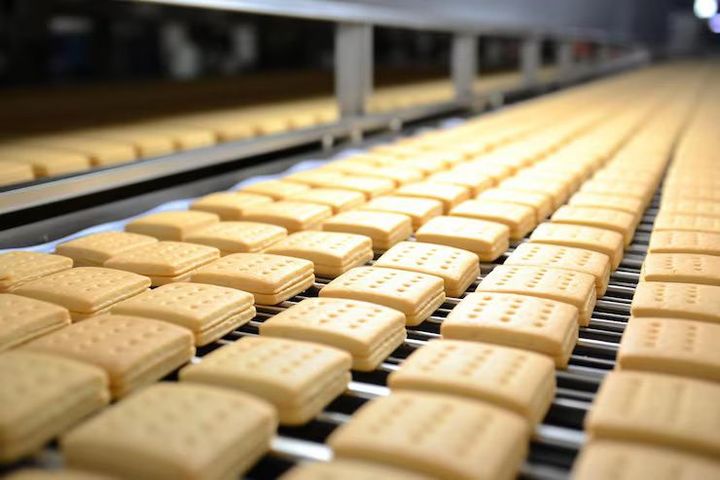
Biscuit cooling conveyors are specialized material-handling systems used in biscuit and bakery production lines to reduce product temperature after baking. These conveyors exist to stabilize biscuits before further handling, packaging, or secondary processing. Once biscuits exit ovens, they retain significant heat and moisture, which must be managed carefully to preserve texture, shape, and shelf stability.
The primary function of biscuit cooling conveyors is to allow controlled cooling through gradual heat dissipation while transporting biscuits efficiently across production stages. Unlike simple transfer belts, cooling conveyors are engineered with specific belt designs, airflow patterns, and lengths to ensure uniform cooling. They form a critical link between baking ovens and downstream processes such as inspection, stacking, and packaging.

Importance
Biscuit cooling conveyors are important because improper cooling can lead to quality issues such as moisture condensation, texture inconsistency, cracking, or deformation. Biscuits that are packaged before adequate cooling may experience reduced shelf stability or packaging defects due to trapped heat and residual moisture.
These conveyors affect bakery manufacturers, production planners, quality control teams, and packaging operations. They help solve challenges such as uneven cooling, production bottlenecks, and product breakage. By providing controlled cooling conditions, biscuit cooling conveyors support consistent product quality and smoother production flow across high-volume bakery operations.
Recent Developments and Industry Trends
During 2024 and early 2025, biscuit cooling conveyors have seen increased integration of modular and space-efficient designs. Manufacturers are focusing on multi-tier conveyor systems that maximize cooling length while minimizing floor space requirements. These designs are particularly useful in facilities with limited production area.
Another recent trend is the use of enhanced airflow management systems. Improved ventilation layouts help achieve uniform cooling across biscuit surfaces without causing excessive drying. Energy-efficient drive systems and low-maintenance belt materials have also gained attention, supporting continuous operation and reduced downtime. Additionally, there is growing emphasis on hygienic design, with smoother surfaces and easy-access components to support cleaning and inspection.
Laws, Policies, and Regulatory Influence
Biscuit cooling conveyors operate within food safety and processing regulations that govern hygiene, contamination control, and material safety. In India, bakery processing equipment is influenced by food safety standards related to cleanability, material contact safety, and operational hygiene.
Regulations addressing temperature control, cross-contamination prevention, and equipment sanitation indirectly affect conveyor design and operation. Environmental guidelines related to energy efficiency and workplace safety also shape conveyor system layouts. Compliance with these regulations ensures safe food handling and consistent quality throughout the cooling stage.
Design Features and Working Mechanism
Biscuit cooling conveyors are designed to manage both product transport and thermal stabilization. Their design varies based on production capacity, biscuit type, and facility layout.
Common design features
-
Food-grade conveyor belts or mesh systems
-
Multi-tier or spiral conveyor arrangements
-
Controlled airflow zones
-
Adjustable conveyor speed controls
-
Enclosed or semi-enclosed structures
The working mechanism involves transferring hot biscuits from the oven onto the conveyor belt. As biscuits move along the conveyor, ambient or forced air circulates around them, allowing gradual heat release. Conveyor speed and length determine cooling duration, ensuring biscuits reach a stable temperature before downstream handling.
Tools, Systems, and Helpful Resources
Biscuit cooling conveyors operate alongside various tools and systems that help maintain cooling efficiency and product quality.
Supporting systems commonly used
-
Air circulation fans and ducting systems
-
Temperature and humidity monitoring sensors
-
Conveyor speed control panels
-
Product alignment and spacing guides
Operational resources
-
Cooling time calculation charts
-
Product temperature monitoring logs
-
Preventive maintenance schedules
-
Hygiene and sanitation checklists
These tools help operators monitor cooling performance and maintain stable production conditions.
Biscuit Cooling Process Overview
| Process Stage | Purpose | Output |
|---|---|---|
| Oven Discharge | Transfers baked biscuits | Hot biscuits |
| Conveyor Loading | Positions biscuits evenly | Aligned products |
| Controlled Cooling | Reduces temperature gradually | Stabilized biscuits |
| Moisture Release | Balances internal moisture | Texture consistency |
| Discharge | Sends biscuits to next stage | Ready-for-packaging output |
Frequently Asked Questions
Why are biscuit cooling conveyors necessary after baking?
They allow biscuits to cool gradually, preventing moisture-related defects and structural damage.
How does conveyor length affect cooling performance?
Longer conveyors provide extended cooling time, which is essential for thicker or denser biscuit types.
Can cooling conveyors handle different biscuit shapes?
Yes, conveyor configurations can be adjusted to support various shapes and sizes.
What role does airflow play in biscuit cooling?
Airflow removes heat efficiently while helping maintain even cooling across biscuit surfaces.
What factors influence cooling efficiency?
Biscuit thickness, oven exit temperature, conveyor speed, and ambient conditions all influence efficiency.
Performance and Efficiency Factors
Higher Efficiency Conditions
-
Uniform biscuit spacing
-
Balanced airflow distribution
-
Stable conveyor speed
Lower Efficiency Conditions
-
Overcrowded conveyor belts
-
Uneven airflow
-
Inconsistent oven discharge temperatures
Hygiene and Operational Considerations
Hygiene is a critical consideration in biscuit cooling conveyors, as biscuits are exposed to ambient conditions during cooling. Conveyor materials must support easy cleaning and resist contamination buildup. Enclosed designs help protect products from external contaminants while maintaining airflow efficiency.
Regular inspection of belts, fans, and structural components helps maintain smooth operation. Monitoring temperature and humidity levels ensures consistent cooling and supports compliance with food safety guidelines.
Integration with Packaging and Handling Systems
Biscuit cooling conveyors are designed to integrate seamlessly with downstream processes. Proper synchronization with stacking, inspection, and packaging systems helps prevent product damage and handling delays. Controlled discharge heights and alignment features ensure smooth transfer between production stages.
Efficient integration supports continuous production flow and reduces the need for manual handling, improving overall process stability.
Conclusion
Biscuit cooling conveyors are essential components of modern bakery production lines. By enabling controlled cooling after baking, these systems help preserve biscuit quality, texture, and stability. Advances in modular design, airflow management, and hygienic construction continue to improve their efficiency and adaptability.
Understanding the working principles, regulatory considerations, and supporting tools associated with biscuit cooling conveyors provides valuable insight into bakery process optimization. As biscuit production scales and product varieties expand, these conveyors remain vital for maintaining consistent quality and efficient production workflows.