Discover Helium Leak Detectors: Detailed Information, Facts, and Practical Knowledge
Helium leak detectors are specialized instruments used to identify extremely small leaks in sealed systems by using helium gas as a tracer. This method exists because many industrial components—such as pipelines, refrigeration systems, medical devices, aerospace parts, and vacuum chambers—must maintain very precise levels of pressure integrity. Even a tiny leak can affect performance, safety, and long-term reliability.
Context
Helium is preferred because it is non-toxic, chemically inert, and has a very small atomic size, allowing it to pass through the smallest openings. It is also rare in the atmosphere, making detection easier and more accurate. Helium leak detection grew out of early developments in vacuum technology and nuclear physics laboratories, eventually becoming a global standard for high-precision leak testing methods.
Modern helium leak detectors typically work using mass spectrometry, identifying helium molecules that escape from or enter a system. These detectors help industries verify that products and equipment meet strict quality control standards, safety guidelines, and environmental compliance requirements.
Importance
Helium leak detection is important because leaks—no matter how small—can lead to safety hazards, reduced efficiency, equipment failure, or contamination. This topic matters today due to the increasing demand for high-performance systems across fields such as manufacturing, energy, aerospace, automotive engineering, and healthcare.
Industries rely on helium leak detectors for several reasons:
- Protection of industrial safety systems
- Compliance with quality control standards
- Support for energy-efficient and environmental technologies
- Ensuring reliability in high-precision systems
- Improving long-term equipment performance
Leaks in pressure vessels, pipelines, or sealed chambers can introduce risks such as contamination, fluid loss, or hazardous escape of gases. Detecting and resolving leaks helps maintain safe operations.
Modern manufacturing often requires extremely low leak rates. Many global certification bodies specify allowable leak thresholds for components used in medical devices, refrigeration systems, and semiconductor equipment.
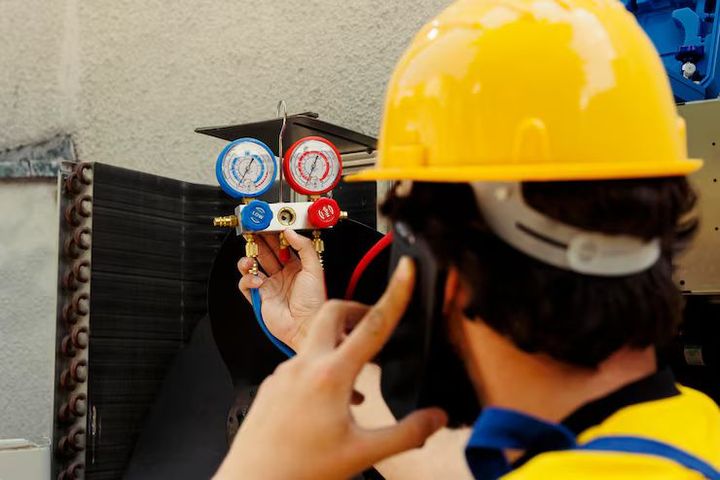
Refrigeration and HVAC systems use refrigerants that must not escape into the environment. Accurate leak detection ensures that equipment meets environmental regulations and reduces emissions.
Aerospace, nuclear, and research applications depend on vacuum technology, where even microscopic leaks can disrupt experiments or cause mission failures.
Identifying leaks early helps prevent damage, reduce system downtime, and maintain operational stability.
Recent Updates
The field of helium leak detection has seen several trends and developments in the last year, driven by improvements in vacuum technology, sustainability goals, and the demand for advanced quality assurance.
- Increased focus on helium-efficient testing (2024–2025)
- Automation in leak detection systems (2024)
- Growth in semiconductor and electric-vehicle production (2024–2025)
- Updates in vacuum pump integration (late 2024)
- Rising adoption of portable leak detectors (2024–2025)
Due to global concerns about helium availability, manufacturers introduced technologies that reduce helium consumption, including recovery systems and low-flow test configurations.
Automated robotic arms and AI-assisted detection algorithms became more common for high-volume industries.
The expansion of semiconductor fabrication plants and EV battery manufacturing increased demand for ultra-high sensitivity leak detection methods.
New hybrid vacuum pump technologies improved response times and detection sensitivity.
Portable and handheld models gained popularity because they are easier to use in field conditions.
Laws or Policies
Helium leak detection is influenced by the regulations and standards that govern equipment safety, environmental protection, and industrial manufacturing processes.
- Environmental regulations
- Pressure equipment and vessel standards
- Worker safety guidelines
- Technical standards for manufacturing quality
Leak detection is widely used to ensure that systems containing refrigerants, compressed gases, or hazardous substances meet environmental standards.
Industries must comply with regulations related to testing pressure integrity and acceptable leak rates.
Occupational safety rules require industries to ensure sealed systems are not leaking hazardous gases.
Organizations follow standards outlining leak testing, calibration, and acceptable thresholds.
Tools and Resources
Several tools and resources support understanding, monitoring, and applying helium leak detection.
- Leak calculation charts
- Sensitivity comparison tables
- Industrial standards references
- Digital monitoring tools
- Training materials and educational guides
These tools help technicians, engineers, and students understand leak detection and apply best practices.
Table: Helium Leak Detection Tools and Their Uses
| Tool Type | Purpose | Application |
|---|---|---|
| Leak Calculation Charts | Estimate leak rates | Pressure systems analysis |
| Sensitivity Tables | Compare detection methods | Method selection |
| Standards References | Provide testing guidelines | Compliance and certification |
| Digital Monitoring Tools | Analyze real-time data | Industrial leak testing |
| Training Resources | Explain concepts and procedures | Education and skill development |
FAQs
1. Why is helium used for leak detection instead of other gases?
Helium is used because it is inert, non-reactive, safe to handle, and has very small atoms that pass through tiny leaks.
2. What types of systems typically require helium leak testing?
Refrigeration units, vacuum chambers, automotive components, semiconductor equipment, laboratory instruments, and aerospace systems.
3. What is considered a high-sensitivity leak detector?
A detector that identifies extremely small leak rates, often in the range of 10⁻⁹ mbar-L/s.
4. How does a mass spectrometer detect helium?
It analyzes gas molecules based on mass-to-charge ratio and detects helium ions.
5. Can helium leak detectors be used outdoors?
Yes, portable detectors are used in HVAC inspections, pipeline testing, and field maintenance.
Conclusion
Helium leak detectors play a key role in ensuring precision, safety, and environmental protection across modern industries. They exist because many systems must maintain strict pressure integrity, and helium provides an accurate and reliable way to identify even the smallest leaks.
Recent developments such as helium conservation techniques, automation, and portable systems continue to improve performance and usability. Regulatory frameworks emphasize safety, environmental responsibility, and manufacturing quality.
Understanding helium leak detection helps professionals improve system reliability, maintain safety standards, and support high-quality industrial and scientific operations.