Discover Maize Shellers: Basics, Explanation, and Key Insights
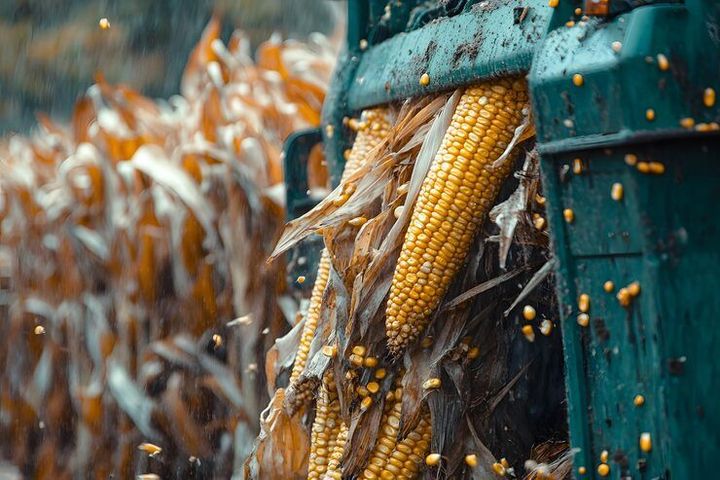
Maize shellers are agricultural machines designed to separate maize kernels from cobs efficiently. These machines exist to simplify and speed up the post-harvest processing of maize, which is one of the most widely cultivated cereal crops worldwide. After harvesting, maize must be shelled before it can be stored, processed, or used for food, feed, or industrial purposes. Manual shelling is time-consuming and physically demanding, making mechanical shellers an essential solution for modern agriculture.
Traditionally, maize shelling was performed by hand or with simple tools, which limited productivity and often resulted in grain loss or kernel damage. Modern maize shellers automate the shelling process using rotating drums, rollers, or impact mechanisms. By applying controlled mechanical force, these machines separate kernels while minimizing breakage and improving overall efficiency.
Importance and Practical Relevance
Maize shellers are important because timely and efficient shelling directly affects grain quality, storage safety, and market readiness. Delays in shelling can increase moisture retention in maize cobs, raising the risk of mold growth and post-harvest losses. Mechanical shellers help reduce these risks by enabling faster processing after harvest.
These machines affect farmers, agricultural cooperatives, grain processors, and rural storage systems. They help solve challenges such as labor shortages, inconsistent shelling quality, and high grain loss associated with manual methods. By standardizing kernel separation, maize shellers support better grain recovery and improved post-harvest management.
Recent Developments and Industry Trends
During 2024 and early 2025, maize shellers have seen improvements in design efficiency and adaptability. Manufacturers are focusing on adjustable shelling mechanisms that allow machines to handle different maize varieties and moisture levels more effectively. This flexibility helps reduce kernel damage while maintaining consistent output.
Another notable trend is the increased use of motor-driven and multi-crop-compatible shellers. These machines offer higher throughput and reduced physical effort compared to manual systems. Enhanced safety features, improved grain cleaning attachments, and compact designs suitable for small and medium farms have also gained attention. Energy-efficient motors and durable materials are being emphasized to improve operational reliability.
Laws, Policies, and Regulatory Influence
Maize shellers operate within agricultural machinery and safety regulations that promote efficient and safe farm operations. In India, agricultural equipment usage is influenced by guidelines related to machine safety, noise levels, and operator protection.
Policies encouraging agricultural mechanization and post-harvest loss reduction indirectly support the adoption of maize shellers. Rural development programs and standards for grain handling and storage also influence how shelling machines are designed and used. Compliance with these frameworks helps ensure safe operation and consistent grain quality.
Types of Maize Shellers
Maize shellers are available in different configurations based on capacity, power source, and application scale.
Common types of maize shellers
-
Hand-operated maize shellers
-
Motorized maize shellers
-
Tractor-mounted maize shellers
-
Drum-type maize shellers
-
Multi-crop shelling machines
Each type is designed to suit specific farming conditions, output requirements, and resource availability.
Design Features and Working Mechanism
Maize shellers are engineered to separate kernels efficiently while minimizing damage.
Key design features
-
Feeding hopper for maize cobs
-
Shelling drum or roller system
-
Adjustable clearance for kernel separation
-
Grain outlet and cob discharge chute
-
Protective covers and safety guards
The working process begins when maize cobs are fed into the sheller. Rotating drums or rollers apply friction and impact forces that detach kernels from the cob. The kernels fall through perforated screens, while empty cobs are discharged separately. Adjustable settings help optimize shelling performance for different maize sizes and moisture conditions.Tools, Systems, and Helpful Resources
Maize shellers often operate alongside supporting tools and systems that enhance processing efficiency and grain quality.
Supporting systems commonly used
-
Grain cleaning and winnowing units
-
Moisture measurement tools
-
Conveyors or collection trays
-
Dust and chaff separation attachments
Operational resources
-
Shelling efficiency reference charts
-
Preventive maintenance schedules
-
Operator safety guidelines
-
Grain storage preparation checklists
These tools help ensure smooth operation and effective post-harvest handling.
Maize Shelling Process Overview
| Process Stage | Purpose | Output |
|---|---|---|
| Cob Feeding | Introduces maize cobs | Aligned input |
| Shelling | Separates kernels | Loose maize grains |
| Screening | Removes debris | Clean kernels |
| Cob Discharge | Separates empty cobs | Residue output |
| Collection | Gathers grains | Ready-for-storage maize |
Frequently Asked Questions
Why are maize shellers used after harvesting?
They reduce manual effort, speed up processing, and improve kernel recovery.
Can maize shellers handle different maize varieties?
Most machines support multiple varieties with adjustable shelling settings.
How does moisture content affect shelling performance?
Excess moisture can reduce shelling efficiency and increase kernel damage.
Are maize shellers suitable for small-scale farming?
Yes, hand-operated and compact motorized shellers are suitable for small farms.
What factors influence shelling efficiency?
Cob size, moisture level, machine calibration, and feeding rate all affect efficiency.
Performance and Efficiency Factors
Higher Efficiency Conditions
-
Properly dried maize cobs
-
Correct clearance and speed settings
-
Consistent feeding rate
Lower Efficiency Conditions
-
High moisture content
-
Overloading the machine
-
Worn shelling components
Safety and Operational Considerations
Maize shellers involve rotating parts and mechanical force, making safety a priority. Machines must include guards, stable frames, and controlled feeding mechanisms to protect operators. Wearing protective equipment and following operating instructions further reduce risks.
Routine inspection of shelling drums, bearings, and screens helps maintain safe and efficient operation. Keeping the machine clean reduces dust buildup and supports better grain quality.
Integration with Post-Harvest Systems
Maize shellers are commonly integrated with drying, cleaning, and storage systems. Proper integration ensures smooth grain flow and minimizes handling losses. Conveyor-based transfers and collection bins help align shelling output with downstream capacity.
Efficient integration improves post-harvest efficiency and supports better grain preservation across storage and processing stages.
Conclusion
Maize shellers are essential machines in modern agricultural post-harvest processing. By efficiently separating kernels from cobs, these machines help reduce labor intensity, improve grain recovery, and support timely storage and utilization of maize. Continuous improvements in design, safety, and adaptability continue to enhance their usefulness across different farming scales.
Understanding the working principles, regulatory considerations, and supporting systems associated with maize shellers provides valuable insight into effective maize processing. As agricultural mechanization advances and post-harvest management becomes increasingly important, maize shellers remain vital tools for efficient and sustainable maize handling.