Discover Warping Machines: A Comprehensive Guide with Knowledge and Technical Explanations
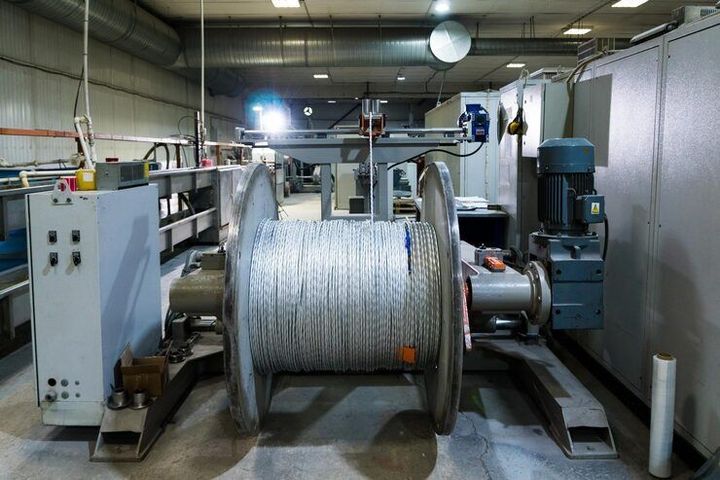
Warping machines are essential textile-preparation systems designed to arrange yarns in parallel form on a beam before weaving. The warping process ensures that thousands of yarn ends are properly aligned, tensioned, and wound evenly, enabling smooth and efficient weaving operations. These machines exist to support the critical step of converting yarn packages into warp beams—an operation required across almost every woven fabric production line.
Warping technology evolved from manual winding methods used in early textile manufacturing. As fabric quality demands increased, machines were developed to control yarn alignment, tension, and density more precisely. Today, warping machines are used extensively in the production of apparel fabrics, home textiles, industrial fabrics, denim, and technical textiles.
Importance
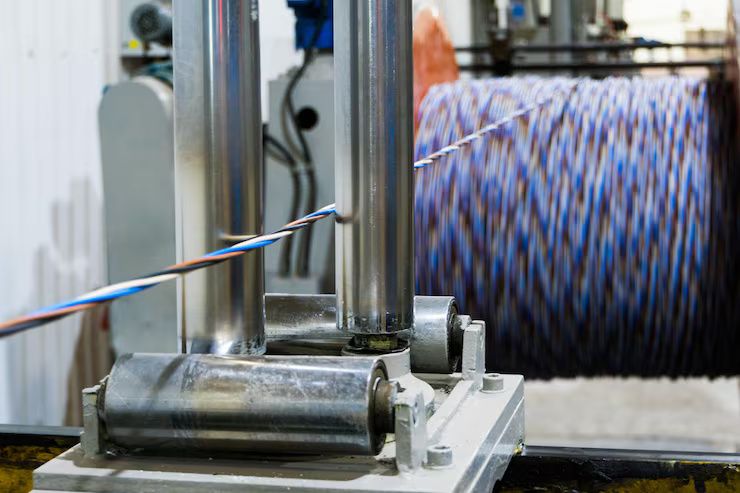
Warping machines are vital because they prepare yarns for weaving with the required structure, sequence, and uniform tension. Without proper warping, weaving performance declines due to frequent yarn breaks, uneven fabric appearance, and production delays.
Warping machines help solve several key challenges:
-
Need for consistent yarn tension across thousands of yarn ends
-
Efficient preparation of warp beams for mass production
-
Reduction of yarn breakage during weaving
-
Prevention of irregular patterns in woven fabrics
-
Improved productivity in modern textile mills
Operators, textile technologists, and production managers rely on these machines to ensure accuracy and continuity in weaving. Warping directly influences fabric quality, weaving speed, and overall mill efficiency, making it a crucial stage in the textile value chain.
Recent Updates
Technological advancements between 2024 and 2025 have significantly improved warping machine speed, precision, and automation.
Key updates include:
-
March 2024: New generation of sectional warping machines introduced automatic color sequencing for technical textiles and fashion fabrics.
-
August 2024: Advanced digital tension-control systems improved yarn handling for delicate materials like silk, viscose, and microfibers.
-
January 2025: AI-enabled yarn break monitoring systems became more widely used to reduce stoppages during warping.
-
2025 Trend: Sustainable warping practices are gaining attention, including energy-efficient drives and reduced waste yarn usage.
-
High-Performance Development: Faster creel systems with barcode-based yarn identification have improved process reliability.
These updates reflect the growing demand for faster, more accurate, and intelligent warping operations in modern textile mills.
Laws or Policies
Warping machines are influenced by regulations relating to safety, textile quality, and industrial operations.
Key regulatory areas include:
-
Workplace Safety Standards: Machines must include safety guards, emergency stops, and protection around high-speed rotating parts.
-
Electrical and Mechanical Compliance: Warping equipment must meet national and international machinery standards to ensure safe installation and operation.
-
Textile Standards: Yarn tension and warp quality often follow industry guidelines to ensure consistency in fabric manufacturing.
-
Environmental Regulations: Many regions encourage reduced energy usage, responsible waste management, and eco-friendly production processes.
-
Labor Requirements: Operators must be trained in safe machine handling, loading yarn packages, and responding to machine alerts.
These regulations help maintain safe, efficient, and environmentally responsible warping practices.
Tools and Resources
Helpful tools and resources related to warping include:
-
Yarn Tension Measurement Devices – Used to monitor and maintain uniform tension.
-
Warp Length Calculators – Helps determine required beam length for a given fabric design.
-
Sectional Warping Software – Supports pattern creation, color arrangement, and warp density planning.
-
Digital Yarn Break Sensors – Provide real-time monitoring during warping operations.
-
Warp Beam Quality Checklists – Ensure correct yarn layering, density, and edge formation.
These tools support improved accuracy and operational control for textile technicians and production managers.
Table: Types of Warping Machines and Their Functions
| Type of Warping Machine | Function | Common Application |
|---|---|---|
| Direct Warping Machine | Aligns yarns directly onto a beam | Denim, home textiles, large continuous fabrics |
| Sectional Warping Machine | Creates warp sections for patterned fabrics | Fashion fabrics, technical textiles |
| Ball Warping Machine | Produces rope-like warps | Denim manufacturing |
| Sample Warping Machine | Prepares small-scale warps | R&D, sample departments |
| High-Speed Warping Machine | Maximizes production rate | Large-scale mills |
FAQs
1. What is the main purpose of a warping machine?
Its purpose is to prepare yarns in parallel formation with uniform tension on a beam for weaving.
2. What is the difference between direct and sectional warping?
Direct warping winds yarns directly onto a single beam, while sectional warping divides yarns into sections for patterned fabrics.
3. What factors influence warp quality?
Tension consistency, yarn type, creel design, speed control, and machine alignment.
4. Why is yarn tension important in warping?
Uniform tension ensures stable weaving, reduces yarn breakage, and prevents fabric defects.
5. Can warping machines handle different yarn materials?
Yes, modern machines can handle cotton, polyester, viscose, blends, specialty fibers, and technical yarns.
Conclusion
Warping machines play a decisive role in textile production by preparing yarns for efficient and high-quality weaving. Their ability to align thousands of yarns with consistent tension makes them essential for both basic and advanced fabric manufacturing. Recent improvements in digital monitoring, automation, and sustainable operation have enhanced productivity and reduced material waste.
Regulations on safety, environmental performance, and machine compliance ensure responsible use in textile mills. With the growth of technical textiles, fashion fabrics, and industrial fabrics, warping machines will continue to be integral to the textile value chain, ensuring precision, speed, and high-quality output for diverse textile applications.