Dough Dividing Machines Explained: Knowledge, Advice, and Industry Insights
Dough dividing machines are specialized bakery processing systems designed to divide bulk dough into smaller, uniform portions. These machines exist to ensure consistency in dough weight and size before further processing stages such as rounding, proofing, and baking. Dough division is a foundational step in bakery production because it directly influences product uniformity, baking behavior, and final appearance.
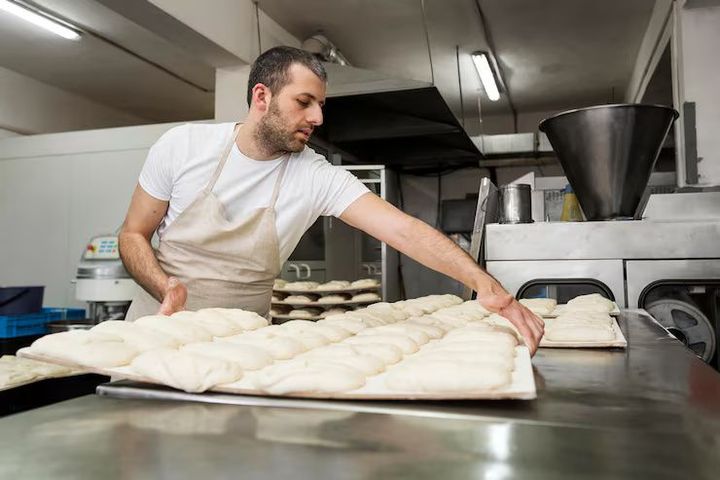
Historically, dough was divided manually using knives or weighing methods, which required experience and constant attention. Manual division often led to inconsistencies in portion size, resulting in uneven fermentation and baking. Modern dough dividing machines automate this process by applying controlled mechanical or hydraulic force, allowing bakeries to achieve precise portioning at scale while maintaining dough integrity.
Importance and Practical Relevance
Dough dividing machines are important because consistent dough portions are essential for predictable baking outcomes. Variations in dough weight can cause differences in fermentation time, oven spring, crumb structure, and crust color. Automated dividing machines help reduce these variations by delivering repeatable and accurate dough portions.
These machines affect commercial bakeries, industrial food producers, quality assurance teams, and downstream equipment such as rounders and proofers. They help solve challenges related to labor-intensive handling, production delays, and material wastage. By standardizing the dividing process, dough dividing machines support efficient workflows and stable product quality.
Recent Developments and Industry Trends
During 2024 and early 2025, dough dividing machines have increasingly incorporated digital control and automation features. Touchscreen interfaces now allow operators to set portion sizes, division speed, and pressure parameters with high precision. These features improve flexibility when switching between different dough types and product specifications.
Another notable trend is the focus on dough-friendly handling mechanisms. Manufacturers are refining chamber shapes, piston movement, and cutting systems to reduce stress on gluten structure. This helps preserve dough elasticity and improves fermentation performance. Hygiene-focused designs with smoother surfaces and easier disassembly have also gained attention, supporting faster cleaning and improved sanitation practices.
Laws, Policies, and Regulatory Influence
Dough dividing machines operate within food safety and equipment regulations that emphasize hygiene, contamination control, and operator safety. In India, bakery processing equipment is influenced by food safety standards that require food-contact surfaces to be cleanable, non-reactive, and resistant to corrosion.
Workplace safety regulations related to machine guarding, electrical protection, and emergency stops also affect dough dividing machine design. Policies promoting standardized food production and quality assurance indirectly encourage the adoption of automated dividing systems. Compliance with these frameworks helps ensure safe operation and consistent bakery output.
Types of Dough Dividing Machines
Dough dividing machines are available in different configurations based on production scale, dough characteristics, and required accuracy.
Common types of dough dividing machines
-
Volumetric dough dividers
-
Weight-based dough dividers
-
Hydraulic dough dividers
-
Vacuum-assisted dough dividers
-
Semi-automatic and fully automatic dividers
Each type is suited to specific dough hydration levels, batch sizes, and production capacities.
Working Principle and Design Features
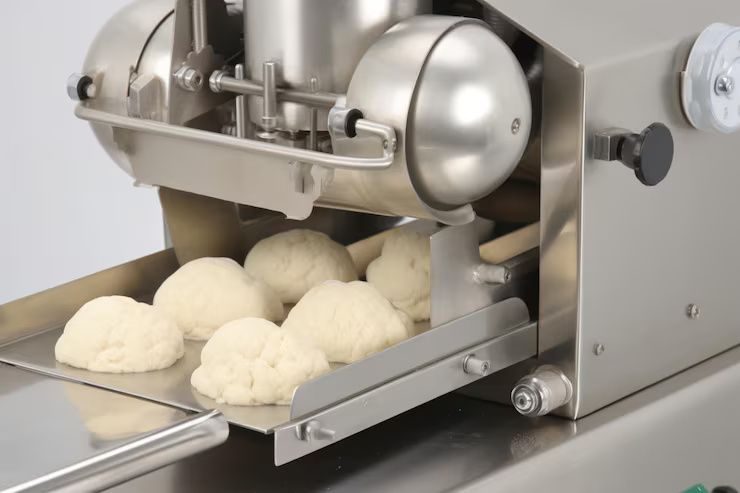
Dough dividing machines function by separating a bulk dough mass into equal portions using mechanical pressure or volumetric chambers.
Key design features
-
Dough hopper or loading chamber
-
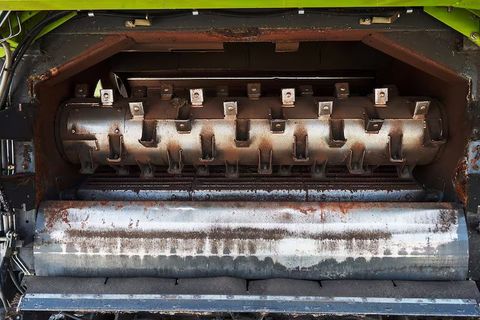
Dividing pistons, blades, or chambers
-
Adjustable portion size controls
-
Control panels for operational settings
-
Food-grade contact materials
The process begins when dough is loaded into the chamber. The machine then applies pressure to push dough into dividing compartments or through cutting mechanisms. Each portion is separated and discharged onto a tray or conveyor. Controlled motion ensures accurate portioning while minimizing dough deformation.
Tools, Systems, and Helpful Resources
Dough dividing machines are supported by various tools and systems that enhance accuracy, hygiene, and production flow.
Supporting systems commonly used
-
Dough rounding machines
-
Conveyor transfer systems
-
Portion verification scales
-
Production monitoring dashboards
Operational resources
-
Portion calibration charts
-
Dough hydration reference guides
-
Cleaning and sanitation checklists
-
Preventive maintenance schedules
These resources help maintain consistent dividing performance and operational stability.
Dough Dividing Process Overview
| Process Stage | Purpose | Output |
|---|---|---|
| Dough Loading | Introduces bulk dough | Prepared dough mass |
| Portion Setting | Defines target weight | Calibrated parameters |
| Dividing | Separates dough | Uniform dough pieces |
| Discharge | Transfers portions | Ready-for-rounding output |
| Cleaning Cycle | Maintains hygiene | Sanitary operation |
Frequently Asked Questions
Why are dough dividing machines essential in bakeries?
They ensure consistent dough portioning, which supports uniform fermentation and baking quality.
Can dough dividing machines handle soft and stiff doughs?
Most machines can handle a range of dough types, though performance depends on hydration and machine design.
How does portion accuracy influence final products?
Accurate portions lead to even baking, consistent size, and predictable texture.
Are dough dividing machines suitable for high-volume production?
Yes, many machines are designed for continuous and large-scale bakery operations.
What factors affect dividing accuracy?
Dough consistency, machine calibration, portion settings, and regular maintenance all influence accuracy.
Performance and Efficiency Factors
Higher Efficiency Conditions
-
Uniform dough consistency
-
Correct calibration settings
-
Smooth and clean contact surfaces
Lower Efficiency Conditions
-
Sticky or uneven dough
-
Incorrect pressure or settings
-
Poor cleaning practices
Hygiene and Safety Considerations
Hygiene is critical in dough dividing operations because dough is exposed during processing. Machines must be constructed with smooth, food-grade surfaces and minimal crevices to reduce contamination risks. Easy-access components allow thorough cleaning and inspection.
Safety features such as guards, emergency stop buttons, and controlled access points protect operators from moving parts. Proper training and adherence to standard operating procedures further enhance safe and reliable operation.
Integration with Bakery Production Lines
Dough dividing machines are typically integrated with upstream mixers and downstream rounders or proofers. Synchronization between these systems ensures a steady flow of dough and minimizes manual handling. Conveyor-based transfer systems help align dividing capacity with overall production demand.
Efficient integration improves throughput, reduces handling errors, and supports consistent bakery operations.
Conclusion
Dough dividing machines are essential components of modern bakery production systems. By automating the division of dough into uniform portions, these machines help ensure consistent baking results, improved efficiency, and reduced material loss. Ongoing advancements in control systems, dough handling design, and hygienic construction continue to enhance their performance and adaptability.
Understanding the working principles, regulatory considerations, and supporting tools associated with dough dividing machines provides valuable insight into bakery process optimization. As bakery production scales and product diversity increases, these machines remain central to maintaining quality and consistency.