Fusing Press Machines Guide: Information, Details, and Practical Understanding
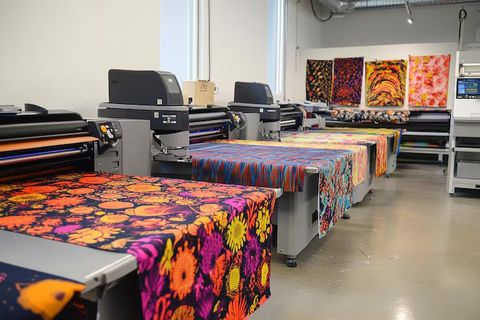
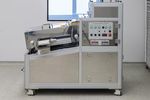
Fusing press machines are specialized textile and garment-processing systems designed to bond interlining materials to fabric using controlled heat, pressure, and time. These machines exist to strengthen garments, improve shape retention, and enhance durability in clothing such as shirts, jackets, suits, uniforms, and industrial textiles. Fusing is a critical step in apparel manufacturing where interlinings are permanently attached to fabric components before stitching.
Traditionally, interlining attachment was performed using manual ironing or basic pressing methods. These approaches often produced inconsistent bonding, fabric distortion, and variable quality. Modern fusing press machines automate the bonding process by maintaining precise temperature and pressure conditions across the entire fabric surface. This ensures uniform adhesion, improved garment appearance, and reliable production outcomes in both small-scale tailoring and industrial garment manufacturing.
 0
0
Importance
Fusing press machines are important because interlining quality directly affects garment structure, comfort, and longevity. Poor fusing can lead to bubbling, delamination, shrinkage, or stiffness, which compromises garment quality. Controlled fusing helps maintain fabric integrity while reinforcing specific garment areas such as collars, cuffs, waistbands, and plackets.
These machines affect apparel manufacturers, tailoring units, textile processing facilities, and quality control teams. They help solve challenges such as uneven bonding, fabric damage, and production inconsistency. By standardizing the fusing process, fusing press machines support predictable garment quality and efficient workflow management.
Recent Developments and Industry Trends
During 2024 and early 2025, fusing press machines have seen increased adoption of digital control and automation features. Many machines now include programmable temperature, pressure, and dwell-time settings that allow precise adjustment for different fabric and interlining combinations. This improves bonding accuracy and reduces material waste.
Another notable trend is the focus on energy-efficient heating systems and uniform pressure distribution. Improved heating elements and optimized belt or platen designs help achieve consistent heat transfer while reducing energy loss. Hygienic and maintenance-friendly designs with easy-access components are also gaining attention, supporting faster cleaning and reduced downtime. Compact and modular machines are increasingly used in facilities with limited space.
Laws, Policies, and Regulatory Influence
Fusing press machines operate within workplace safety, electrical equipment, and textile processing regulations. In India, garment manufacturing equipment is influenced by safety standards related to electrical insulation, temperature control, and operator protection.
Regulations concerning workplace ergonomics, heat exposure, and machine guarding affect machine design and installation. Environmental guidelines promoting energy efficiency and responsible resource use indirectly influence equipment selection. Compliance with these regulations ensures safe operation and consistent production quality in garment manufacturing environments.
Types of Fusing Press Machines
Fusing press machines are available in various configurations based on production volume and application.
Common types of fusing press machines
-
Flatbed fusing press machines
-
Continuous belt fusing machines
-
High-pressure fusing presses
-
Compact fusing presses for tailoring
-
Industrial automatic fusing machines
Each type supports different garment production requirements while maintaining controlled bonding conditions.
Design Features and Working Mechanism
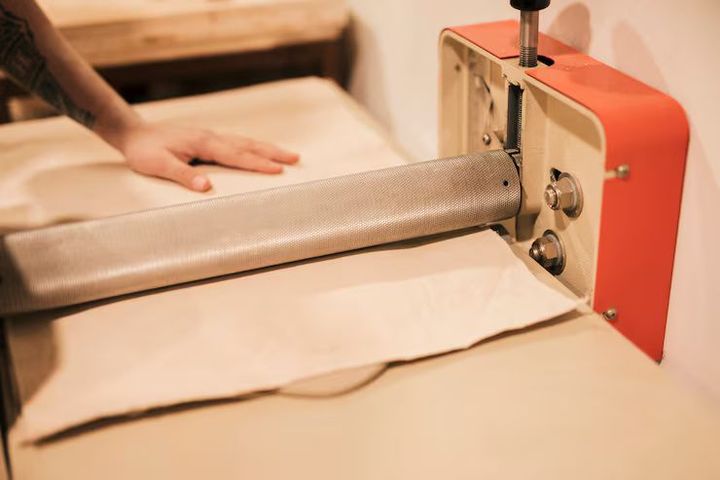
Fusing press machines are designed to apply uniform heat and pressure over fabric layers to activate adhesive interlinings.
Key design features
-
Heated platens or conveyor belts
-
Adjustable pressure systems
-
Temperature and time control panels
-
Fabric alignment guides
-
Safety guards and emergency stops
The working process begins when fabric and interlining layers are aligned and placed into the fusing zone. Heat activates the adhesive coating on the interlining, while pressure ensures strong bonding with the fabric. The set dwell time allows proper adhesion before the fused material exits the machine for cooling and further processing.
Tools, Systems, and Helpful Resources
Fusing press machines operate alongside supporting tools and systems that help maintain bonding quality and operational stability.
Supporting systems commonly used
-
Fabric moisture control tools
-
Temperature calibration sensors
-
Pressure monitoring gauges
-
Conveyor speed control units
Operational resources
-
Fusing parameter reference charts
-
Fabric and interlining compatibility guides
-
Preventive maintenance schedules
-
Operator safety and handling manuals
These resources help maintain consistent fusing quality across different garment styles and materials.
Fusing Process Overview
| Process Stage | Purpose | Output |
|---|---|---|
| Fabric Preparation | Aligns fabric and interlining | Layered materials |
| Heating | Activates adhesive | Bond-ready layers |
| Pressing | Applies uniform pressure | Fused fabric |
| Dwell Time | Ensures adhesion stability | Secure bond |
| Discharge | Transfers fused material | Ready-for-stitching output |
Frequently Asked Questions
Why are fusing press machines used in garment production?
They ensure uniform bonding of interlinings, improving garment structure and durability.
Can fusing press machines handle different fabrics?
Yes, machines support various fabrics when settings are adjusted appropriately.
What causes bubbling after fusing?
Incorrect temperature, pressure, or fabric moisture can lead to poor adhesion and bubbling.
Are fusing press machines suitable for continuous production?
Continuous belt machines are designed for high-volume and uninterrupted production.
What factors influence fusing quality?
Fabric type, interlining adhesive, temperature accuracy, pressure uniformity, and dwell time all influence quality.
Performance and Efficiency Factors
Higher Efficiency Conditions
-
Correct fusing parameter settings
-
Compatible fabric and interlining materials
-
Stable temperature and pressure
Lower Efficiency Conditions
-
Improper moisture levels
-
Uneven pressure distribution
-
Inadequate machine calibration
Safety and Operational Considerations
Fusing press machines operate at high temperatures and pressure, making safety essential. Machines must include insulation, protective guards, and emergency stop systems to protect operators. Clear operating procedures and training help reduce risks associated with heat exposure.
Regular inspection of heating elements, belts, and pressure systems helps maintain safe operation. Proper ventilation also supports operator comfort and equipment reliability.
Integration with Garment Production Lines
Fusing press machines are commonly integrated with cutting, stitching, and finishing systems. Smooth integration ensures uninterrupted material flow and reduces handling errors. Conveyor-fed machines help synchronize fusing capacity with downstream production stages.
Efficient integration improves productivity and supports consistent garment quality across production lines.
Conclusion
Fusing press machines are essential components of modern garment and textile manufacturing. By providing controlled heat and pressure for bonding interlinings, these machines help ensure garment shape, durability, and appearance. Continuous advancements in automation, energy efficiency, and process control continue to enhance their reliability and adaptability.
Understanding the working principles, regulatory considerations, and supporting systems associated with fusing press machines provides valuable insight into effective garment production. As apparel manufacturing evolves and quality expectations increase, fusing press machines remain central to consistent and efficient textile processing.