Glass Crushing Machines Guide: Information, Details, and Practical Understanding
Glass crushing machines are industrial systems designed to reduce glass waste into smaller, uniform particles such as cullet or granules. These machines exist to support recycling, material recovery, and waste volume reduction across industries including packaging, construction, municipal waste management, and manufacturing. Glass is a durable and recyclable material, but its rigidity and sharp edges require specialized equipment for safe and efficient size reduction.
Historically, glass waste handling relied on manual breaking or basic mechanical methods, which posed safety risks and produced inconsistent particle sizes. Modern glass crushing machines automate the crushing process using controlled mechanical force, enabling predictable output and safer handling. By converting bulky glass items into manageable fragments, these machines prepare material for reuse in recycling streams or secondary industrial applications.
Importance
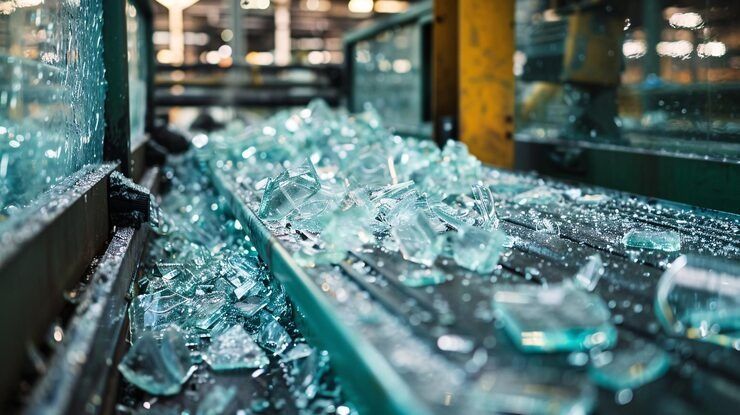
Glass crushing machines are important because effective size reduction is a key step in glass recycling and waste management. Large glass items occupy significant storage and transport space, increasing handling complexity. Crushing reduces volume, improves logistics efficiency, and enables easier sorting and processing downstream.
These machines affect recycling facilities, municipal waste systems, construction material processors, and manufacturing units that use recycled glass. They help solve challenges such as unsafe manual handling, inconsistent particle size, and inefficient material recovery. By standardizing glass size, crushing machines support higher recycling rates and improved material utilization.
Recent Developments and Industry Trends
During 2024 and early 2025, glass crushing machines have seen improvements in noise reduction, dust control, and operational efficiency. Manufacturers are incorporating enclosed crushing chambers and advanced sealing designs to minimize dust dispersion and reduce workplace exposure. This supports safer and cleaner operating environments.
Another notable trend is the use of wear-resistant materials in crushing components. Hardened steel and abrasion-resistant alloys help extend machine life and maintain consistent crushing performance. There is also increased attention toward compact and modular machine designs, allowing easier installation in space-constrained facilities. Energy-efficient drive systems and variable speed controls have further improved adaptability to different glass types and processing requirements.
Laws, Policies, and Regulatory Influence
Glass crushing machines operate within environmental protection, waste management, and workplace safety regulations. In India, waste processing equipment is influenced by solid waste management guidelines that encourage recycling and safe handling of recyclable materials.
Regulations related to dust emission control, noise levels, and operator safety affect machine design and installation. Environmental policies promoting recycling infrastructure and circular economy practices indirectly support the adoption of glass crushing systems. Compliance with these regulations ensures safe operation and responsible waste processing.
Types of Glass Crushing Machines
Glass crushing machines are available in different configurations based on output size, processing volume, and application.
Common types of glass crushing machines
-
Hammer-based glass crushers
-
Jaw-type glass crushing machines
-
Impact glass crushers
-
Roll crushers for glass
-
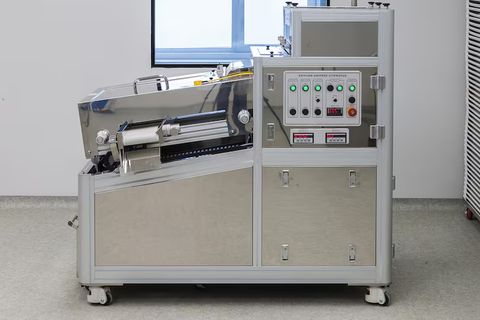
Compact glass crushing units
Each type is designed to apply specific crushing forces while controlling particle size distribution.
Design Features and Working Mechanism
Glass crushing machines are designed to apply mechanical force that fractures glass into smaller pieces while controlling particle size and minimizing dust.
Key design features
-
Reinforced crushing chamber
-
Wear-resistant crushing elements
-
Feed hopper with safety guards
-
Discharge chute or conveyor
-
Dust containment and collection points
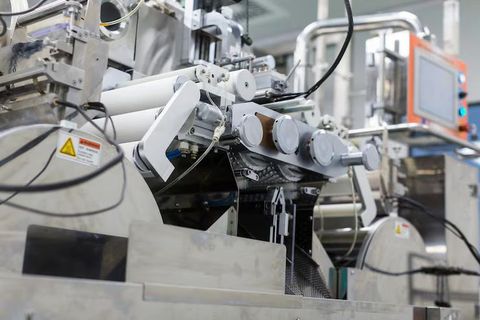
The working mechanism begins when glass waste is fed into the machine through a hopper. Rotating hammers, jaws, or impact plates apply force that breaks glass into smaller fragments. The crushed material exits through a discharge opening, where screens or settings may control final particle size. Enclosed designs help contain debris and support safe operation.
Tools, Systems, and Helpful Resources
Glass crushing machines operate alongside various tools and systems that support efficient and safe processing.
Supporting systems commonly used
-
Dust extraction and filtration units
-
Magnetic separators for contaminant removal
-
Conveyor systems for material transfer
-
Noise dampening enclosures
Operational resources
-
Particle size classification charts
-
Preventive maintenance schedules
-
Safety operation guidelines
-
Equipment inspection checklists
These tools help operators maintain consistent crushing results and safe working conditions.
Glass Crushing Process Overview
| Process Stage | Purpose | Output |
|---|---|---|
| Glass Collection | Gathers waste glass | Input material |
| Feeding | Introduces glass to crusher | Controlled input |
| Crushing | Breaks glass into fragments | Crushed glass |
| Size Control | Regulates particle dimensions | Uniform cullet |
| Discharge | Transfers processed material | Ready-for-recycling output |
Frequently Asked Questions
Why are glass crushing machines used in recycling?
They reduce glass size, improve handling safety, and prepare material for recycling processes.
Can glass crushing machines handle mixed glass types?
Many machines can process mixed glass, though contamination levels may affect performance.
How is dust controlled during glass crushing?
Enclosed designs and dust extraction systems help minimize airborne particles.
What determines the final glass particle size?
Crusher type, screen settings, and machine configuration influence particle size.
Are glass crushing machines suitable for continuous operation?
Yes, many machines are designed for continuous processing with proper maintenance.
Performance and Efficiency Factors
Higher Efficiency Conditions
-
Clean and sorted glass input
-
Proper machine calibration
-
Effective dust containment
Lower Efficiency Conditions
-
Excessive contamination
-
Worn crushing components
-
Inconsistent feeding rates
Safety and Operational Considerations
Glass crushing involves sharp materials and high mechanical forces, making safety a priority. Machines must include guarding, emergency stop systems, and enclosed crushing areas to protect operators. Personal protective equipment and adherence to operating procedures further reduce risks.
Routine inspection of crushing elements, bearings, and seals helps maintain safe operation. Proper waste handling and cleanup practices also contribute to a safer working environment.
Integration with Recycling and Processing Lines
Glass crushing machines are often integrated with sorting, washing, and screening systems in recycling facilities. Efficient integration ensures smooth material flow and reduces manual handling. Conveyor-based transfer systems help synchronize crushing output with downstream processing capacity.
Well-integrated systems improve throughput and support consistent recycling operations, especially in high-volume environments.
Conclusion
Glass crushing machines are essential components of modern recycling and waste management systems. By reducing glass waste into uniform, manageable particles, these machines support safer handling, efficient transport, and effective recycling. Ongoing advancements in dust control, wear resistance, and energy efficiency continue to enhance machine performance and reliability.
Understanding the working principles, regulatory considerations, and supporting systems associated with glass crushing machines provides valuable insight into responsible glass waste processing. As recycling efforts expand and sustainability goals strengthen, these machines remain central to efficient glass material recovery.