Learn Bottle Capping Machines: Clear Overview, Facts, and Resources
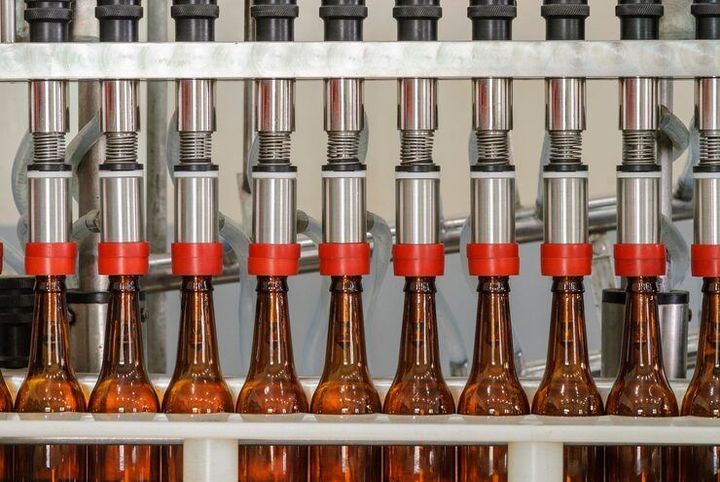
Bottle capping machines are industrial systems designed to seal bottles with caps, closures, or lids in a controlled and consistent manner. These machines exist to ensure that liquid and semi-liquid products are securely closed, protected from contamination, and prepared for storage, transport, and distribution. Bottle capping plays a critical role in packaging across multiple industries, including food and beverages, pharmaceuticals, cosmetics, and household products.
Historically, bottle capping was performed manually, which limited production speed and introduced variability in seal quality. Modern bottle capping machines automate the placement and tightening of caps using mechanical, pneumatic, or servo-driven mechanisms. By applying consistent torque and alignment, these machines help maintain product integrity and uniform packaging standards across large production volumes.

Importance
Bottle capping machines are important because proper sealing directly affects product safety, shelf stability, and user confidence. An improperly sealed bottle can lead to leakage, contamination, or loss of product quality. Automated capping machines help reduce these risks by delivering repeatable and controlled sealing performance.
These machines affect manufacturers, packaging lines, quality control teams, and supply chains. They help solve challenges such as inconsistent cap tightness, production bottlenecks, and hygiene concerns. By standardizing the capping process, bottle capping machines support efficient packaging workflows and reliable downstream handling.
Recent Developments and Industry Trends
During 2024 and early 2025, bottle capping machines have seen increased adoption of automation and smart controls. Many systems now feature servo-driven torque control, allowing precise adjustment for different cap types and bottle materials. This has improved sealing accuracy and reduced the risk of over-tightening or cap damage.
Another recent trend is the integration of quick-change tooling, which allows faster transitions between bottle sizes and cap formats. There has also been growing use of vision-based inspection systems that verify cap presence and alignment immediately after sealing. Energy-efficient motors and compact modular designs have further improved operational flexibility and space utilization on production lines.
Laws, Policies, and Regulatory Influence
Bottle capping machines operate within packaging, safety, and quality regulations that vary by industry. In India, packaging machinery used for food, beverages, and pharmaceuticals is influenced by hygiene, traceability, and contamination-control standards.
Regulations related to tamper-evident packaging, child-resistant closures, and labeling accuracy indirectly affect capping machine design and operation. Environmental policies encouraging reduced packaging waste also influence cap material selection and sealing methods. Compliance with these regulations helps ensure product safety and regulatory acceptance across markets.
Tools, Systems, and Helpful Resources
Bottle capping machines function alongside various supporting tools and systems that enhance efficiency and quality control.
Core systems commonly used
-
Cap feeding and orientation systems
-
Torque control and tightening mechanisms
-
Conveyor integration units
-
Bottle stabilization and gripping devices
-
Cap inspection and rejection systems
Operational tools and resources
-
Torque testing instruments
-
Cap and bottle compatibility charts
-
Production monitoring dashboards
-
Preventive maintenance schedules
These tools help operators maintain consistent sealing quality and detect issues early in the packaging process.
Bottle Capping Process Overview
| Process Stage | Purpose | Output |
|---|---|---|
| Bottle Infeed | Positions bottles correctly | Aligned bottles |
| Cap Feeding | Supplies caps to capping head | Oriented caps |
| Cap Placement | Places cap on bottle | Positioned cap |
| Tightening | Applies controlled torque | Sealed bottle |
| Inspection | Verifies seal integrity | Quality-checked output |
Frequently Asked Questions
What types of caps can bottle capping machines handle?
They can handle screw caps, snap caps, press-on caps, lug caps, and certain specialty closures depending on machine configuration.
Why is torque control important in bottle capping?
Proper torque ensures a secure seal without damaging the cap or bottle, maintaining product safety and usability.
Are bottle capping machines suitable for different bottle sizes?
Yes, many machines support adjustable settings or change parts to accommodate multiple bottle sizes and shapes.
How do capping machines support hygiene requirements?
They are designed with smooth surfaces, cleanable components, and controlled contact areas to reduce contamination risks.
What factors influence capping accuracy?
Bottle alignment, cap quality, torque calibration, and regular maintenance all affect capping performance.
Performance and Efficiency Overview
Higher Efficiency Conditions
-
Accurate bottle positioning
-
Consistent cap quality
-
Calibrated torque settings
Lower Efficiency Conditions
-
Misaligned bottles
-
Variable cap dimensions
-
Inadequate maintenance practices
Conclusion
Bottle capping machines are essential components of modern packaging systems. By automating the sealing process, they help ensure product protection, consistency, and efficient production flow. Advances in automation, inspection, and modular design continue to improve their adaptability and reliability across industries.
Understanding the working principles, regulatory influence, and supporting tools associated with bottle capping machines provides valuable knowledge for packaging process awareness. As packaging requirements evolve and production volumes increase, these machines remain critical for maintaining quality and operational efficiency.