Plastic Recycling Plants Explained: Knowledge, Advice, and Environmental Insights
Plastic recycling plants are specialized industrial facilities designed to process plastic waste into reusable raw materials. These plants exist to manage the growing volume of plastic waste generated from packaging, consumer products, construction, automotive components, and everyday household use. Plastics are durable materials, but their resistance to natural degradation makes recycling an essential solution.
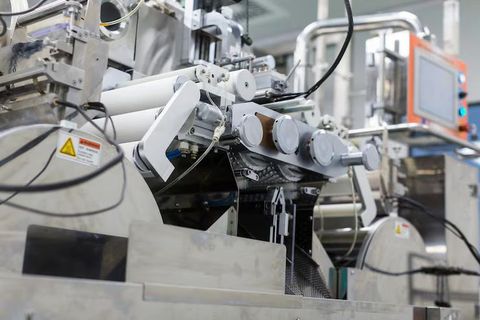
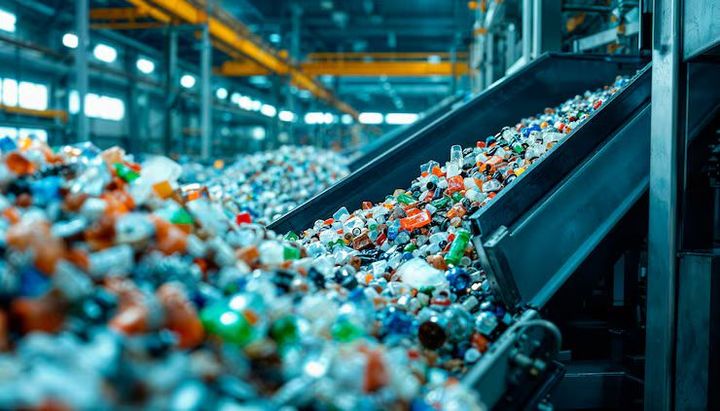
The primary role of plastic recycling plants is to collect, sort, clean, and reprocess plastic waste into flakes, pellets, or granules. These processed materials can be used again in manufacturing processes. By enabling material recovery, plastic recycling plants reduce environmental pollution and support more responsible use of plastic resources.
Importance and Practical Relevance
Plastic recycling plants are important due to the widespread use of plastics and the environmental challenges caused by plastic waste accumulation. When unmanaged, plastic waste can persist in landfills and natural ecosystems for decades, affecting soil, water bodies, and wildlife.
These plants affect municipal waste systems, industrial producers, packaging sectors, and urban communities. They help address problems such as landfill overflow, marine pollution, and inefficient resource utilization. Plastic recycling plants also contribute to circular economy models by keeping plastic materials in use for longer periods.
Recent Developments and Industry Trends
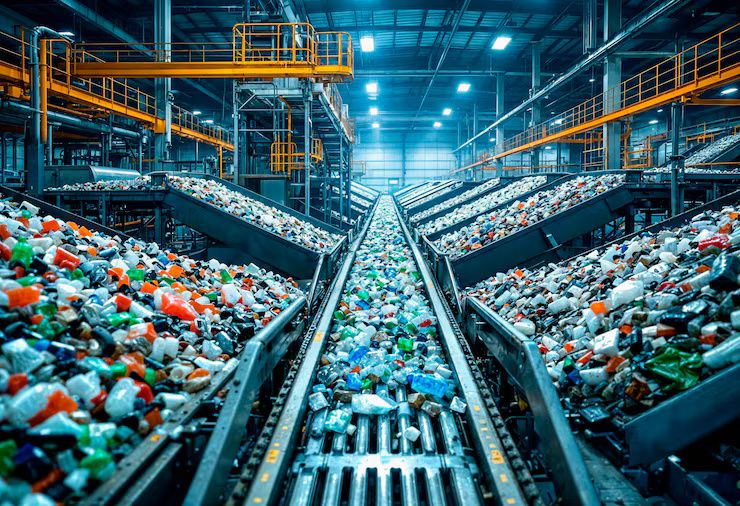
During 2024 and early 2025, plastic recycling plants have seen increased adoption of advanced sorting technologies. Optical sorting systems using near-infrared sensors have improved the identification of different plastic types such as PET, HDPE, and PP. This has enhanced material purity and processing efficiency.
Another recent trend is the growing focus on mechanical recycling optimization and chemical recycling research. Improvements in washing systems, contamination removal, and energy-efficient extrusion processes have gained attention. Digital monitoring tools are also being used to track throughput, material quality, and operational stability.
Laws, Policies, and Regulatory Influence
Plastic recycling plants operate under environmental protection laws and waste management regulations. In India, plastic waste management rules emphasize segregation, collection, and recycling of plastic materials. These policies influence how recycling plants are designed and operated.
Extended Producer Responsibility (EPR) frameworks require producers to support the recycling of plastic waste generated from their products. Regulations related to emissions, wastewater discharge, and residue handling also shape operational practices. Compliance ensures environmental safety and consistent recycling standards.
Tools, Systems, and Helpful Resources
Plastic recycling plants depend on various tools and supporting systems to maintain efficiency and material quality.
Core systems commonly used
-
Manual and automated sorting lines
-
Shredders and granulators
-
Washing and drying systems
-
Extrusion and pelletizing units
-
Quality inspection equipment
Operational resources often applied
-
Plastic resin identification charts
-
Material flow tracking software
-
Energy consumption monitoring tools
-
Preventive maintenance schedules
These tools support stable operations and improve understanding of recycling plant performance.
Plastic Recycling Process Overview
| Process Stage | Purpose | Output |
|---|---|---|
| Collection and Sorting | Separates plastic types | Classified plastic waste |
| Shredding | Reduces material size | Plastic flakes |
| Washing | Removes contaminants | Clean flakes |
| Drying | Reduces moisture content | Process-ready material |
| Extrusion and Pelletizing | Converts flakes to pellets | Reusable plastic pellets |
Frequently Asked Questions
What types of plastics are processed in recycling plants?
Commonly processed plastics include PET, HDPE, LDPE, PP, and certain PS materials, depending on plant capability.
How does sorting affect recycling efficiency?
Accurate sorting improves material purity and reduces processing losses during recycling.
Are recycled plastics suitable for industrial use?
Recycled plastics are widely used in packaging, construction materials, automotive parts, and consumer goods, depending on quality.
What challenges affect plastic recycling plants?
Mixed plastic waste, contamination, and inconsistent material supply can affect efficiency.
How do recycling plants reduce environmental impact?
They limit plastic disposal, reduce raw material extraction, and lower overall waste accumulation.
Efficiency Factors Overview
Higher Efficiency Conditions
-
Proper waste segregation
-
Advanced sorting technology
-
Consistent input material quality
Lower Efficiency Conditions
-
Mixed plastic streams
-
High contamination levels
-
Inadequate washing processes
Conclusion
Plastic recycling plants play a critical role in addressing global plastic waste challenges. By converting discarded plastics into reusable materials, these plants help reduce environmental pollution and improve resource efficiency. Technological advancements continue to enhance sorting accuracy, processing efficiency, and output quality.
Understanding the working principles, regulatory environment, and supporting tools of plastic recycling plants provides valuable insight into sustainable waste management systems. As plastic consumption continues worldwide, recycling plants remain essential for long-term environmental responsibility and material reuse.