Tapping Machines Overview and Insights Guide for Practical Knowledge and Details
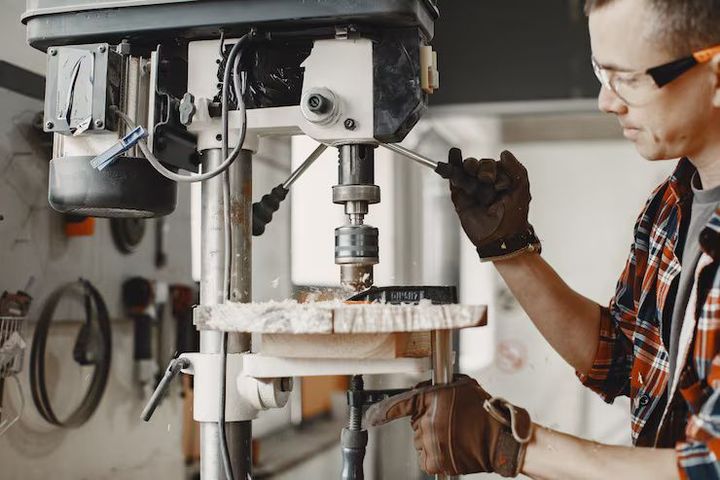
Tapping machines are mechanical systems used to create internal threads inside holes, a process known as tapping. These machines exist because threaded connections are essential across machinery, manufacturing, automotive components, electrical enclosures, aerospace parts, and general engineering. The need for precise and consistent threads led to the development of manual tapping tools first and later automated tapping machines that enhance speed, alignment, and accuracy.
A tapping machine simplifies the process of thread creation by controlling spindle rotation, feed rate, and tapping depth. It ensures uniform thread patterns, reduces the possibility of tap breakage, and maintains quality even when handling large production quantities. These machines can be standalone or integrated into multi-operation systems such as CNC machining centers or drilling-tapping units.
Modern tapping machines range from simple vertical tapping units to sophisticated servo-controlled tapping centers capable of handling a wide range of materials, diameters, and thread standards. The evolution of these systems reflects the increasing demand for precision engineering and efficient machining workflows.
Importance
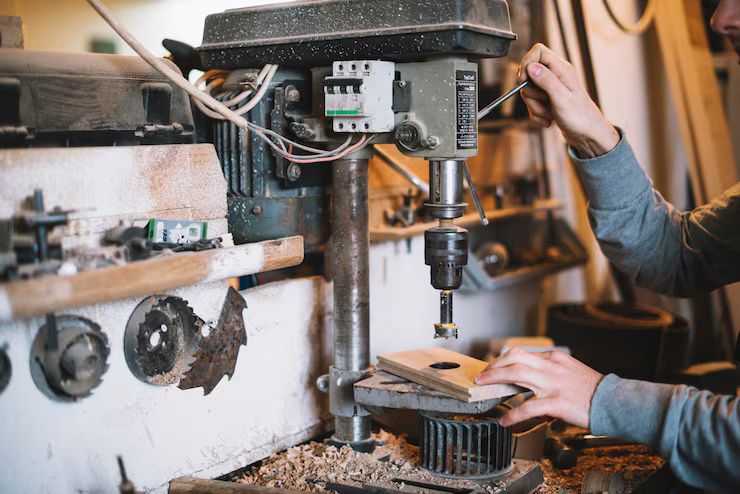
Tapping machines matter today because industries require accurate, durable threaded joints for safe and reliable product assemblies. As products become more compact and complex, the tolerance for thread errors becomes much lower. Tapping machines help overcome this challenge by providing controlled, repeatable thread creation.
These systems are essential for:
-
Manufacturing units requiring consistent high-volume threading
-
Automotive and aerospace parts production
-
Electrical and electronics component assembly
-
Engineering workshops handling diverse threaded hole sizes
-
Industries prioritizing precision and process reliability
The need for stable and vibration-free tapping solutions reduces rework and material wastage. In sectors like medical equipment manufacturing, accurate threading becomes critical because even small deviations may lead to assembly failure or compromised performance.
Tapping machines also solve common problems associated with manual tapping, including misalignment, inconsistent torque application, and tap breakage in hard materials. Automated tapping significantly improves productivity and helps industries maintain output efficiency.
Recent Updates
Several developments have emerged in tapping machine technology during 2024–2025, reflecting the shift toward automation, monitoring, and energy-efficient systems.
Key trends include:
-
Smart Tapping Systems (2024): Integration of sensors for torque monitoring, real-time feedback, and predictive maintenance to reduce downtime.
-
Servo-Controlled Tapping Units (2024–2025): Improved precision through programmable feed control, especially useful for brittle or high-strength materials.
-
Adaptive Threading Algorithms (Introduced in late 2024): Software-based adjustments that modify feed and speed depending on material density.
-
Lightweight Machine Frames (2025): Use of composite materials to reduce vibration while improving stability.
-
Energy-Efficient Motors (2024–2025): New motor designs reduce energy consumption and improve thermal stability during long tapping cycles.
These updates demonstrate the growing reliance on digitally enhanced manufacturing where tapping performance is monitored, optimized, and controlled with higher accuracy.
Laws or Policies
Tapping machines operate within industrial and safety guidelines that vary across countries, but several common regulatory areas influence their use:
1. Machine Safety Regulations:
Most regions follow occupational safety standards such as:
-
Mechanical guarding requirements
-
Emergency stop accessibility
-
Noise and vibration control
-
Safe operating procedures for rotating parts
These rules ensure that workers can operate tapping machines without exposure to excessive hazards.
2. Electrical Standards:
Tapping machines must comply with national and international electrical safety regulations such as IEC or equivalent country-specific standards to ensure safe wiring, insulation, and motor control systems.
3. Workplace Safety Codes:
Organizations must follow safety training, supervision, and maintenance schedules as part of their compliance obligations. This helps prevent accidents related to tool breakage, improper material handling, or misuse of tapping tools.
4. Environmental and Efficiency Guidelines:
Many countries now encourage machinery with reduced energy consumption and lower heat output. Motors and control systems in tapping machines increasingly follow eco-efficiency norms to align with sustainability initiatives.
While regulations differ globally, all emphasize safe operation, preventive maintenance, and energy-efficient technology
Tools and Resources
A variety of tools and resources support better understanding and management of tapping processes:
Threading Calculators
-
Helps determine spindle speed, feed rate, torque, tap diameter, and material compatibility.
Material Hardness Charts
-
Useful for selecting correct tapping speeds and ensuring tool longevity.
Thread Standard References
-
Provide specifications for metric, unified, and special thread classifications used in different industries.
Digital Tapping Controllers
-
Allow program adjustments and monitoring for automated machines.
Machining Process Logs
-
Templates that help track tap life, material type, and hole characteristics for quality control.
Training Guides and Tutorials
-
Provide foundational knowledge for learning tapping fundamentals and improving practical skills.
These resources improve accuracy, decision-making, and process optimization in tapping operations.
Table: Common Tapping Machine Types and Their Characteristics
| Tapping Machine Type | Key Characteristics | Typical Uses |
|---|---|---|
| Vertical Tapping Machine | Simple design, stable frame, manual or motorized feed | General engineering, small workshops |
| CNC Tapping Center | Fully programmable, high accuracy, automated cycles | Automotive, aerospace, electronics |
| Portable Tapping Arm | Flexible movement, suitable for large or awkward parts | Fabrication units, heavy machinery |
| Servo-Driven Tapping Machine | High precision, adaptive feed control | Precision engineering, medical components |
| Drill-Tap Combination Unit | Multi-operation capability, reduces cycle time | High-volume manufacturing |
FAQs
1. What is the main purpose of a tapping machine?
A tapping machine creates internal threads inside drilled holes using controlled spindle movement and feed. Its primary purpose is to ensure accurate, consistent, and aligned threads for mechanical assemblies.
2. How does a tapping machine maintain thread accuracy?
Thread accuracy is achieved through controlled spindle rotation, synchronized feed, and preset depth stops. Automated units use digital controls to maintain repeatability and precision.
3. Which materials can be threaded using a tapping machine?
Materials commonly tapped include steel, aluminum, brass, copper, plastics, and alloys. Feed rate, speed, and lubrication vary depending on material hardness.
4. What factors affect tap life in tapping machines?
Tap life depends on material type, lubrication, cutting speed, alignment accuracy, tool quality, and machine stability.
5. Are CNC tapping machines different from conventional machines?
Yes. CNC tapping machines use programmable controls, adaptive feed, and automated cycles, providing higher accuracy and faster throughput compared to traditional tapping machines.
Conclusion
Tapping machines play an essential role in producing high-quality threaded holes across manufacturing and engineering applications. Their purpose is to maintain consistency, accuracy, and reliability in threaded joints, which are crucial for modern products. With advancements in digital control, adaptive technologies, and energy-efficient systems, tapping machines continue to evolve to meet today's precision requirements.
Understanding their characteristics, recent developments, safety guidelines, and available tools helps organizations and learners make informed decisions while improving machining quality. As industries adopt smarter machining processes, tapping machines remain a foundational part of efficient and accurate thread creation.