Understanding Industrial Energy Recovery Systems: Explanation, Information, and Resources
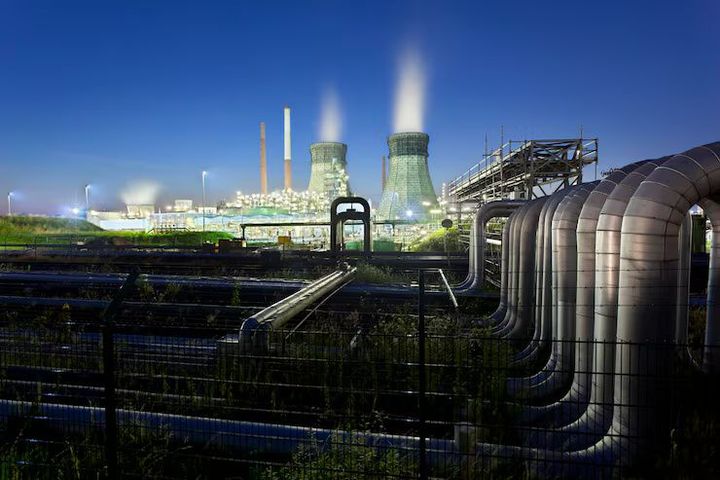
Industrial energy recovery systems refer to technologies and methods designed to capture and reuse energy that would otherwise be lost during industrial processes. In many manufacturing environments, a significant amount of energy escapes as waste heat, pressure, or unused mechanical energy. These systems exist to convert that lost energy into usable power, heat, or electricity within the same facility.
The concept emerged from the need to improve energy efficiency in large-scale operations such as cement plants, steel manufacturing, chemical processing, refineries, and power-intensive production units. Rather than allowing excess heat or pressure to dissipate into the environment, energy recovery systems channel it back into productive use.
At their core, these systems focus on optimization. They do not replace primary energy sources but enhance how existing energy inputs are utilized. This approach aligns with broader industrial goals related to efficiency, reliability, and long-term operational stability.
Importance
Industrial energy recovery systems matter because energy consumption in industrial sectors remains one of the highest contributors to operational intensity and environmental impact worldwide. As energy demand continues to grow, industries face increasing pressure to operate more efficiently while maintaining consistent output levels.
These systems directly affect:
-
Manufacturing plants with continuous production cycles
-
Energy-intensive industries such as metals, chemicals, and cement
-
Facilities seeking to reduce energy losses and improve process efficiency
One of the key problems these systems address is wasted energy. Heat discharged from furnaces, exhaust gases from turbines, and pressure drops across valves often represent untapped potential. Recovering this energy helps stabilize internal energy flows and reduces dependency on additional external energy input.
From a broader perspective, industrial energy recovery supports improved resource management and aligns with efficiency-focused industrial strategies adopted globally.
Core Fundamentals and Working Principles
Industrial energy recovery systems operate on simple but powerful principles: capture, conversion, and reuse.
Common forms of recoverable energy include:
-
Waste heat from exhaust gases
-
Excess pressure from steam or gas systems
-
Mechanical energy from rotating equipment
Typical system components include:
-
Heat exchangers
-
Waste heat recovery boilers
-
Organic Rankine Cycle units
-
Pressure recovery turbines
The recovered energy may be reused for:
-
Preheating raw materials
-
Generating electricity
-
Supporting auxiliary plant operations
Below is a simplified overview of common system types and their applications:
| System Type | Energy Source | Typical Industrial Use |
|---|---|---|
| Heat Exchangers | Hot exhaust gases | Chemical and food processing |
| Waste Heat Boilers | Furnace heat | Cement and steel plants |
| Pressure Recovery Turbines | Steam or gas pressure | Refineries and power units |
| ORC Systems | Low-grade heat | Diverse manufacturing sectors |
Recent Updates and Industry Trends (2024–2025)
Over the past year, industrial energy recovery systems have seen notable technological and strategic developments. In 2024, several industries began integrating digital monitoring tools with recovery systems to improve performance tracking and predictive maintenance.
Key trends observed during 2024 and early 2025 include:
-
Increased adoption of low-temperature waste heat recovery technologies
-
Integration of automation and data analytics for system optimization
-
Growing focus on modular and scalable recovery solutions
Another important shift is the emphasis on recovering energy from previously overlooked sources, such as low-grade heat streams. This trend reflects advancements in materials and system design that allow efficient recovery at lower temperature thresholds.
These developments indicate a steady move toward more adaptable and data-informed energy recovery frameworks within industrial environments.
Laws, Policies, and Regulatory Influence
Industrial energy recovery systems are influenced by national and regional policies that promote energy efficiency and responsible industrial practices. Many governments have introduced regulatory frameworks that encourage industries to reduce energy waste and improve operational efficiency.
In countries such as India, energy efficiency guidelines are often aligned with national energy conservation programs. These policies typically focus on:
-
Encouraging efficient energy utilization in large industrial units
-
Supporting performance-based energy management standards
-
Promoting reporting and benchmarking of energy use
Globally, similar frameworks exist under industrial efficiency and emissions management programs. While specific requirements vary by country, the underlying goal remains consistent: reduce wasted energy and improve industrial sustainability through structured efficiency measures.
Tools and Resources for Industrial Energy Recovery
Several tools and resources support understanding, planning, and improving industrial energy recovery systems. These resources help engineers, managers, and decision-makers evaluate opportunities and system performance.
Useful tools and resources include:
-
Energy audit templates for industrial facilities
-
Waste heat recovery potential calculators
-
Process simulation software for thermal systems
-
Industrial energy benchmarking databases
-
Technical handbooks on heat and pressure recovery
These tools provide structured insights into where recoverable energy exists and how systems can be designed or improved based on operational data.
Common Applications Across Industries
Industrial energy recovery systems are widely applied across multiple sectors due to their adaptable nature.
Typical applications include:
-
Preheating combustion air in furnaces
-
Generating auxiliary power from exhaust heat
-
Supporting steam generation using recovered thermal energy
-
Reducing load on primary heating systems
Below is a simplified comparison of application benefits:
| Industry | Primary Recovery Focus | Key Benefit |
|---|---|---|
| Cement | Kiln exhaust heat | Improved thermal efficiency |
| Steel | Furnace waste heat | Stable energy reuse |
| Chemicals | Process heat recovery | Optimized production flow |
| Refining | Pressure energy recovery | Reduced energy losses |
FAQs: Industrial Energy Recovery Systems
What is an industrial energy recovery system?
It is a system that captures unused energy from industrial processes and reuses it within the same operation.
Which industries benefit the most from energy recovery?
Energy-intensive industries such as cement, steel, chemicals, and refining benefit significantly due to continuous process operations.
Is waste heat the only form of recoverable energy?
No. Pressure, mechanical energy, and low-grade thermal energy can also be recovered.
Do energy recovery systems replace primary energy sources?
They complement existing energy systems by improving overall efficiency rather than replacing main energy inputs.
Are these systems suitable for existing plants?
Yes. Many energy recovery solutions are designed for integration into existing industrial setups.
Conclusion
Industrial energy recovery systems represent a practical and knowledge-driven approach to improving how energy is utilized in industrial environments. By focusing on capturing energy that would otherwise be wasted, these systems enhance operational efficiency and support better resource management.
Their growing relevance reflects wider industrial trends toward efficiency, optimization, and responsible energy use. With continued technological improvements and supportive policy frameworks, industrial energy recovery systems are expected to remain a key component of modern industrial operations.