Waste Water Recycling Plants Guide: Information, Details, and Practical Understanding
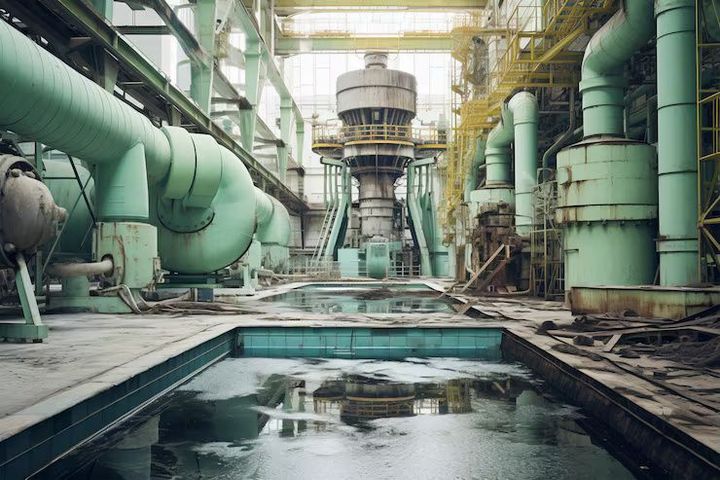
Waste water recycling plants are engineered systems designed to treat used water so it can be reused for various non-potable and, in some cases, controlled potable applications. These plants exist to address the increasing demand for water resources and the growing volume of wastewater generated from households, industries, agriculture, and urban infrastructure.
The primary function of waste water recycling plants is to remove physical, chemical, and biological contaminants from used water. Through a series of treatment stages, wastewater is transformed into treated water that meets defined quality standards. These plants support efficient water management by reducing reliance on freshwater sources and improving overall water availability.
Importance and Practical Relevance
Waste water recycling plants are increasingly important due to rising water scarcity and population growth. Many regions face pressure on groundwater and surface water resources, making water reuse a practical and necessary approach. Recycling wastewater helps balance water demand while reducing stress on natural ecosystems.
These plants impact municipalities, industrial facilities, agricultural operations, and residential communities. They help solve challenges such as water shortages, pollution of rivers and lakes, and inefficient disposal of wastewater. By enabling reuse, waste water recycling plants also contribute to improved sanitation and long-term water sustainability.
Recent Developments and Industry Trends
During 2024 and early 2025, waste water recycling plants have seen notable technological advancements. There has been increased adoption of membrane-based treatment systems, including membrane bioreactors (MBR), which improve filtration efficiency and treated water quality.
Another recent trend includes the use of automated monitoring systems that track parameters such as pH, turbidity, and dissolved solids in real time. Energy-efficient aeration technologies and sludge reduction processes have also gained attention. Many new installations now focus on modular plant designs that allow flexible capacity expansion as water demand changes.
Laws, Policies, and Regulatory Influence
Waste water recycling plants operate under environmental protection and water management regulations. In India, water reuse and wastewater treatment are influenced by guidelines issued by pollution control authorities and urban development programs promoting sustainable water use.
Policies supporting treated wastewater reuse for landscaping, construction, and industrial cooling influence plant design and operation. Discharge standards related to treated effluent quality, sludge handling, and environmental safety play a critical role in shaping recycling plant processes. Compliance with these regulations ensures public health protection and environmental balance.
Tools, Systems, and Helpful Resources
Waste water recycling plants rely on multiple tools and supporting systems to ensure effective treatment and consistent water quality.
Core treatment systems commonly used
-
Screening and grit removal units
-
Primary and secondary clarifiers
-
Biological treatment reactors
-
Filtration and membrane systems
-
Disinfection units such as UV or ozone
Operational tools and resources
-
Water quality testing kits
-
Flow measurement instruments
-
Process control dashboards
-
Maintenance planning templates
These tools help operators manage treatment efficiency, monitor performance, and maintain regulatory compliance.
Waste Water Treatment Process Overview
| Treatment Stage | Purpose | Outcome |
|---|---|---|
| Preliminary Treatment | Removes large solids | Protected downstream systems |
| Primary Treatment | Settles suspended matter | Reduced solid load |
| Secondary Treatment | Breaks down organic matter | Cleaner water |
| Tertiary Treatment | Removes fine impurities | High-quality treated water |
| Disinfection | Neutralizes pathogens | Safe reused water |
Frequently Asked Questions
What is the main purpose of waste water recycling plants?
Their main purpose is to treat used water so it can be safely reused or discharged according to quality standards.
Where is recycled wastewater commonly used?
It is commonly used for landscaping, industrial processes, cooling systems, and certain agricultural applications.
Do waste water recycling plants remove harmful substances completely?
They remove most contaminants, though efficiency depends on treatment technology and input water quality.
How does wastewater recycling help the environment?
It reduces freshwater extraction, limits pollution of natural water bodies, and supports sustainable water cycles.
What factors affect recycling plant performance?
Influent water quality, system design, maintenance practices, and operational monitoring significantly affect performance.
Efficiency Factors Overview
Higher Efficiency Conditions
-
Consistent wastewater quality
-
Advanced biological treatment systems
-
Automated monitoring and control
Lower Efficiency Conditions
-
Sudden changes in influent composition
-
Inadequate maintenance
-
Overloading beyond design capacity
Conclusion
Waste water recycling plants are essential components of modern water management systems. By treating and reusing wastewater, these plants help conserve freshwater resources and reduce environmental pollution. Ongoing advancements in treatment technology continue to improve water quality, operational efficiency, and adaptability to changing water demands.
Understanding how waste water recycling plants function, the regulations that guide them, and the tools that support their operation provides valuable knowledge for sustainable water planning. As water challenges increase globally, these plants will remain central to responsible water reuse and long-term resource management.