Pyramids of Egypt Tours Guide: History, Insights & Essential Travel Knowledge
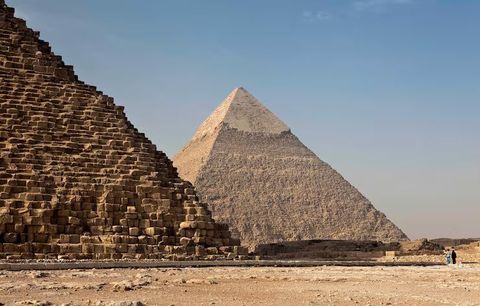
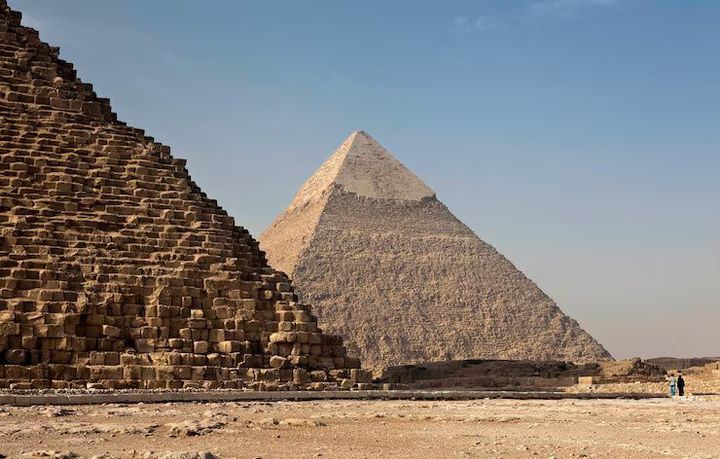
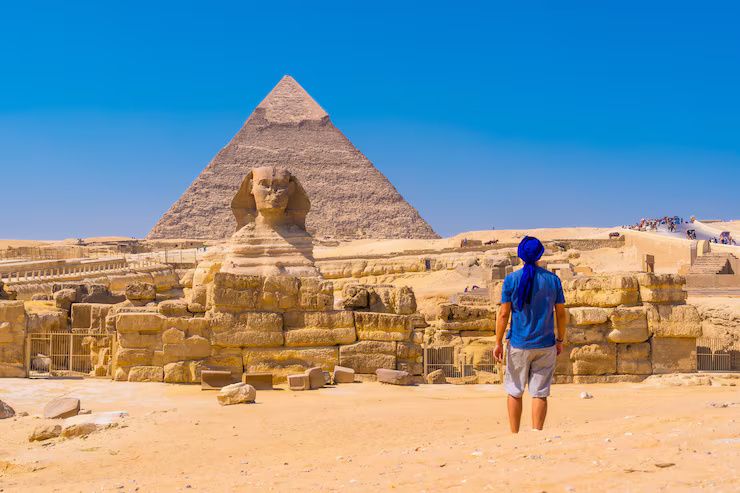
The Pyramids of Egypt are among humanity’s most iconic archaeological achievements. Built more than 4,500 years ago along the Nile River, these monumental structures served as royal tombs for the pharaohs and were engineered with extraordinary precision. Today, three major pyramids dominate the Giza Plateau—the Great Pyramid of Khufu, the Pyramid of Khafre, and the Pyramid of Menkaure—each representing the architectural brilliance of ancient Egyptian civilization.
Constructed primarily during the Old Kingdom period (c. 2686–2181 BCE), pyramids were designed to guide the pharaoh’s soul into the afterlife. They served as immense tombs holding treasures, offerings, and inscriptions that detailed religious rituals, cultural values, and political power.
Today, the pyramids are more than archaeological sites—they are symbols of human innovation, endurance, and historical continuity.
Importance: Why the Pyramids Matter Today
The Pyramids of Egypt offer critical historical insights into one of the world’s most influential civilizations. By studying their architecture, inscriptions, and burial chambers, historians and archaeologists gain a deeper understanding of ancient engineering, religion, astronomy, and social organization.
For modern societies, the pyramids provide:
-
Educational value for students, researchers, and history enthusiasts.
-
Cultural insights into ancient engineering, craftsmanship, and governance.
-
Heritage preservation lessons, showing the importance of protecting ancient structures.
-
Inspiration for design, architecture, and technology, as many modern engineering feats draw from principles first applied in ancient Egypt.
These monuments influence global tourism, academic research, and cultural appreciation across continents, shaping how people learn about past civilizations.
Recent Updates: New Discoveries & Trends (2024–2025)
Recent years have brought significant discoveries and advancements in our understanding of Egypt’s pyramids:
2024 – Discovery of Hidden Chambers
Archaeologists announced new findings using muon scanning technology (2024), revealing hidden voids and previously unknown passageways inside the Great Pyramid. These insights may help researchers understand construction methods and burial rituals more clearly.
2024 – Conservation and Restoration Projects
Egypt’s Ministry of Tourism and Antiquities launched enhanced preservation efforts around the Giza Plateau, focusing on:
-
stabilizing limestone blocks
-
improving visitor pathways
-
introducing environmentally friendly lighting systems
These upgrades support both heritage conservation and improved visitor experience.
2025 – Accessibility and Visitor Management Improvements
Early 2025 updates indicate expanded digital initiatives, including:
-
online visitor guidance platforms
-
virtual reality previews of pyramid interiors
-
upgraded ticketing systems to reduce waiting time and manage crowds
These developments aim to provide more convenient and informative travel planning tools.
Laws & Policies: Regulations for Visitors in Egypt
Visiting the Pyramids of Giza and other archaeological sites involves compliance with specific rules designed to protect cultural heritage:
Cultural Heritage Protection Laws
Egypt enforces strict regulations under the Antiquities Protection Law, which prohibits:
-
damaging or removing artifacts
-
climbing the pyramids
-
entering restricted areas without authorization
Violations can result in substantial penalties.
Photography and Drone Policies
Photography is allowed in many outdoor areas for personal use. However:
-
drones require special government permits
-
some interior chambers restrict flash photography
-
commercial filming needs prior authorization
Tourist Conduct Guidelines
Visitors are expected to:
-
respect historical structures
-
avoid touching fragile inscriptions
-
follow official pathways and security instructions
These policies help preserve the archaeological environment for future generations while ensuring visitor safety.
Tools and Resources: Helpful Guides & Information
Below are useful tools and knowledge sources that support better planning and understanding:
Digital Resources
-
Google Arts & Culture – Egypt Collections: Offers virtual tours and educational insights.
-
UNESCO World Heritage Centre – Giza: Provides historical context, facts, and conservation updates.
-
Egypt Tourism Authority Platforms: Offer travel guidance, cultural insights, and updates.
Planning & Navigation Tools
-
Google Maps for location guidance and site navigation.
-
Translation apps for basic Arabic communication.
-
Weather apps to plan ideal visiting hours in hot seasons.
-
Itinerary planners to organize day trips around Cairo and Giza.
Research Aids
-
Books & e-resources on pyramid construction, archaeology, and ancient Egyptian culture.
-
Documentaries & educational videos from trusted platforms like national museums or academic institutions.
FAQs
1. Why were the Pyramids of Egypt built?
They were constructed as monumental tombs for pharaohs, designed to safeguard their journey into the afterlife and symbolize their divine authority.
2. Which is the oldest Egyptian pyramid?
The Step Pyramid of Djoser in Saqqara (c. 2667 BCE) is considered the oldest large-scale stone structure in Egypt.
3. Can visitors enter the Great Pyramid today?
Yes, certain interior passages are accessible to visitors, though access may vary depending on conservation work and regulations.
4. What is the best time to explore the pyramids?
The cooler months, typically November to February, offer more comfortable temperatures for exploring outdoor sites.
5. Are guided tours necessary?
Guides are optional but can provide valuable historical explanation, cultural context, and navigation help for a richer learning experience.
Conclusion
The Pyramids of Egypt stand as extraordinary testaments to human creativity, engineering, and cultural depth. Exploring these ancient structures offers a clear window into Egypt’s past while highlighting the importance of historical preservation. With continuous archaeological discoveries, updated visitor resources, and strengthened heritage policies, the pyramids remain both a global cultural treasure and an engaging subject for anyone seeking deeper knowledge, insights, and understanding of ancient civilizations.